Singapore’s upcoming 2027 lorry transport ban for workers is already reshaping how companies move their workforce. For decades, many businesses relied on lorries fitted with benches to ferry employees between dormitories, worksites, and industrial estates. The model was familiar and widely used.
But regulations are changing. Authorities have been phasing out the practice for safety reasons, with a full ban expected by 2027. Companies that still depend on lorries for staff transport will soon need alternative arrangements.
For many organisations, that transition is prompting a bigger question: what is the most reliable and scalable way to move workers every day?
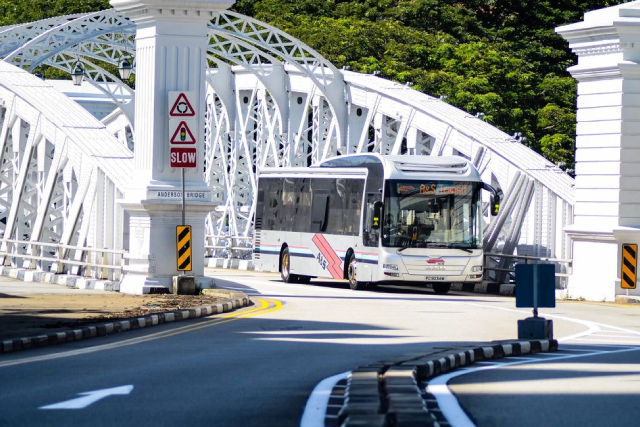
Options such as 45-seater bus rental are increasingly becoming the practical replacement. When workforce numbers are large and shifts run on tight schedules, buses provide efficient worker transport during peak hours while complying with evolving regulations.
Understanding why this shift is happening helps businesses plan ahead.
The hidden costs of using company lorries
At first glance, using lorries for worker transport may seem economical. The vehicle is already owned by the company. A driver is hired. Workers are transported to the job site.
However, the real costs quickly become more complicated.
Vehicle ownership in Singapore carries significant financial obligations. Businesses must account for:
- Certificate of Entitlement (COE)
- Insurance and road tax
- Maintenance and servicing
- Vehicle downtime and repairs
- Fuel costs
- Compliance with evolving transport regulations
When lorries are used daily for worker transport, wear and tear increases quickly. Mechanical issues can interrupt transport schedules, creating delays before shifts even begin.
A single breakdown can mean dozens of workers arriving late to site. For industries such as construction, shipyards or manufacturing plants, that delay can disrupt an entire day’s operations.
Owning and managing transport vehicles also requires administrative effort. Scheduling drivers, coordinating routes and ensuring regulatory compliance takes time away from other operational priorities.
Why buses are replacing worker transport lorries
As regulations tighten, businesses are increasingly shifting towards structured staff transport services.
Instead of relying on lorries, companies can engage providers offering 40 or 45-seater bus rental services designed specifically for worker transport.
The difference is more than just vehicle size. It represents a completely different approach to transport management.
With a professional transport provider, the company does not need to manage vehicles internally. The provider handles:
- Fleet ownership
- Maintenance and inspections
- Driver management
- Regulatory compliance
- Route planning
- Vehicle replacement if needed
Rather than juggling multiple operational responsibilities, companies receive a structured transport solution with predictable scheduling.
Capacity improves transport efficiency
Lorries used for worker transport typically carry fewer passengers than a full-sized bus.
A 45-seater bus rental can transport large teams in a single trip. This dramatically reduces the number of vehicles required to move workers across industrial zones.
Fewer vehicles create several operational advantages:
- Less congestion at factory or worksite entrances
- Simpler scheduling and coordination
- Clearer arrival times for shift planning
- Lower fuel usage per passenger
Instead of managing multiple smaller vehicles, teams arrive together and can begin work on time.
Industrial areas present unique transport challenges
Locations such as Tuas, Jurong Island and other heavy industrial zones are not always easily accessible by public transport.
Workers may face:
- Long walking distances from bus stops
- Limited MRT connectivity
- Multiple transfers between transport modes
- Exposure to rain or heat while commuting
When companies organise structured transport routes, workers benefit from a more predictable journey.
Dedicated buses can pick up employees from agreed collection points and deliver them directly to worksite entrances. This improves punctuality while reducing commute fatigue.
For shift-based industries, these small improvements have meaningful operational impact.
Worker safety is becoming a priority
One major reason behind the 2027 lorry transport ban is safety.
Transporting workers in the rear decks of lorries has long raised concerns. In accidents, passengers are significantly more vulnerable compared to those travelling in standard passenger vehicles.
Buses provide:
- Proper seating
- Seat belts in many modern fleets
- Weather protection
- Stable passenger environments
For employers, improving transport safety demonstrates responsibility toward employee welfare. It also aligns with broader workplace safety standards across Singapore’s industrial sectors.
As expectations around worker protection continue to evolve, transport arrangements are becoming part of that conversation.
A better commuting experience for workers
Daily commuting affects employee morale more than many companies realise.
Workers who begin their day with an uncomfortable or uncertain journey often arrive already fatigued. Over time, this affects productivity and job satisfaction.
Structured bus transport improves the experience in several ways:
- Comfortable seating
- Reliable arrival times
- Reduced need for multiple transport transfers
- Protection from harsh weather conditions
Even small improvements in commuting conditions can contribute to higher retention and stronger workplace morale.
When employees feel their employer is investing in their well-being, engagement tends to improve.
Flexibility for changing manpower needs
Many industries operate with fluctuating manpower requirements. Construction projects, manufacturing demand cycles and logistics workloads can vary throughout the year.
Owning lorries for worker transport creates a fixed asset commitment regardless of operational demand.
Transport leasing offers greater flexibility. Businesses can adjust routes, scale capacity or revise contracts depending on workforce needs.
This flexibility is especially valuable for companies operating across multiple worksites or managing project-based labour.
Instead of maintaining a fleet that may sit idle during quieter periods, transport capacity can adapt alongside operational demand.
Planning ahead for the 2027 transition
The upcoming lorry transport ban means businesses will eventually need alternative solutions.
Waiting until the final deadline may create operational challenges, especially if many companies attempt to transition at the same time.
Planning early allows organisations to:
- Assess transport routes
- Estimate workforce capacity needs
- Evaluate service providers
- Implement structured transport systems gradually
For companies already facing transport coordination issues, the shift away from lorries can actually become an opportunity to improve efficiency and reliability.
Moving towards a more structured transport model
Worker transport is no longer a simple logistical task. It affects safety, compliance, employee experience and operational efficiency.
As the 2027 lorry transport ban approaches, many companies are reassessing how they move their workforce.
If your organisation is reviewing how to transition away from worker transport lorries, A&S Transit can help you design a reliable monthly bus leasing solution tailored to your workforce routes and schedules.